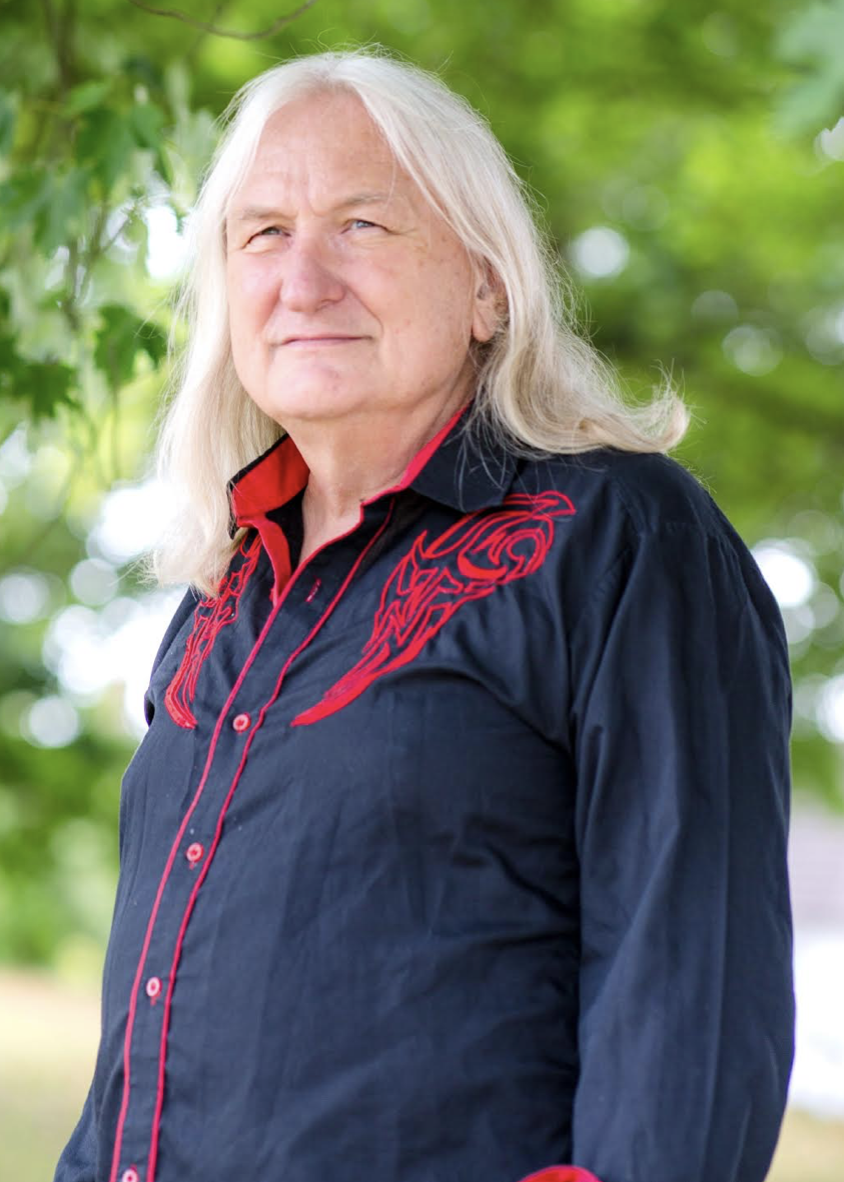
Chris Gregory’s Minstrel Boy, the second installment in his “trilogy in reverse” Picasso of Song, is a sprawling, 200,000-word immersion in Dylan’s metamorphoses from 1967 to 1990—years Gregory aptly frames as retreat, return, and rebirth. Building on the acclaim of Determined to Stand (his study of post-1990 Dylan), Gregory delivers a song-by-song, performance-by-performance chronicle that feels both definitive in scope and refreshingly alive to ambiguity.
The structure is elegant and helpful. Retreat traces Dylan’s post-accident withdrawal into The Basement Tapes, John Wesley Harding, and Nashville Skyline—records whose quiet radicalism Gregory reads with care and sympathy. Return plunges into the mid-70s resurgence with the rigor fans will want, including meticulous attention to Blood on the Tracks and the tours that sharpened its emotional edge. Rebirth tackles the spiritual turn head-on—its surge, consequences, and creative aftermath—without flattening it into a single narrative or verdict.
Gregory’s strengths are clear. He honors Dylan’s “both/and” poetics rather than hunting for single meanings; he places the songs within a rich lattice of sources—from Blake and Whitman to gospel, blues, and country—without academic heaviness; and he salts the analysis with ironic humor and human warmth. The live-performance vignettes are especially valuable, breaking up the textual exegesis with onstage context that shows how the songs breathe, warp, and renew themselves. Given Gregory’s longstanding website and podcast (praised for deep analysis and a human touch), his authority feels earned rather than assumed.
The ambition is vast: not just the released albums but unreleased songs, variants, and notable covers. At times that exhaustiveness can be, well, exhausting—this is a study to live with rather than blitz through. And the claim to definitiveness is a high bar in a field already groaning with volumes. Yet Minstrel Boy makes a persuasive case, not by closing debates but by opening them with clarity and generosity.
The title’s nod to Dylan’s own “Minstrel Boy” is apt: Gregory treats Dylan as a shape-shifting performer-poet whose mask changes are themselves the message. For Dylanologists it’s essential; for general readers, the accessible prose and narrative spine make the depth inviting rather than forbidding. If the trilogy hopes to be the go-to modern study of Dylan, Volume Two brings it a long stride closer.
Publication: October 8, 2025; available for pre-order via the author’s site and Amazon UK, with US pre-orders to follow.